As an acupuncturist specializing in fertility, pregnancy, and postpartum care—and as a mom of two—I know firsthand that pregnancy and postpartum nutrition can look very different from one stage to the next.
When Pregnancy Changes the Way You Eat
During early pregnancy, I encourage my patients to focus less on eating “perfectly” and more on finding foods they can actually tolerate.
Small, frequent meals can be helpful when nausea makes larger meals difficult. Sometimes that means simple foods. Sometimes it means eating something small every couple of hours. And sometimes it means letting go of what you think you should be eating and listening to what your body can comfortably handle.
For some women, warm, soft, cooked foods such as soups, stews, rice dishes, and porridges feel especially nourishing and easy to digest. From a Traditional Chinese Medicine perspective, warm, cooked foods have traditionally been emphasized as supportive of digestion and nourishment.
What About Cold, Raw, or Crunchy Foods?
Pregnancy isn’t the time to force yourself to eat something simply because someone says it’s “healthy.” If a particular food, temperature, or smell makes your nausea worse, don’t force it. During pregnancy, especially when nausea or food aversions are present, the priority is finding nutritious foods you can actually tolerate.
From a Traditional Chinese Medicine perspective, warm, cooked foods are traditionally favored when they feel comfortable and nourishing. But every pregnancy is different, and for some women, cooler foods may be easier to tolerate—particularly when the smell of hot food triggers nausea. The goal is nourishment that works for you.
Why I Love Having Nourishing Meals Ready to Go
Disclosure: This post contains affiliate links. If you purchase through my Restorative Roots link, I may receive a commission at no additional cost to you. I only recommend products and services that I believe may be helpful to my patients and community.
One of the biggest challenges during pregnancy isn’t always knowing what to eat—it’s having something nourishing available when you’re tired, nauseated, busy, or simply don’t feel like cooking.
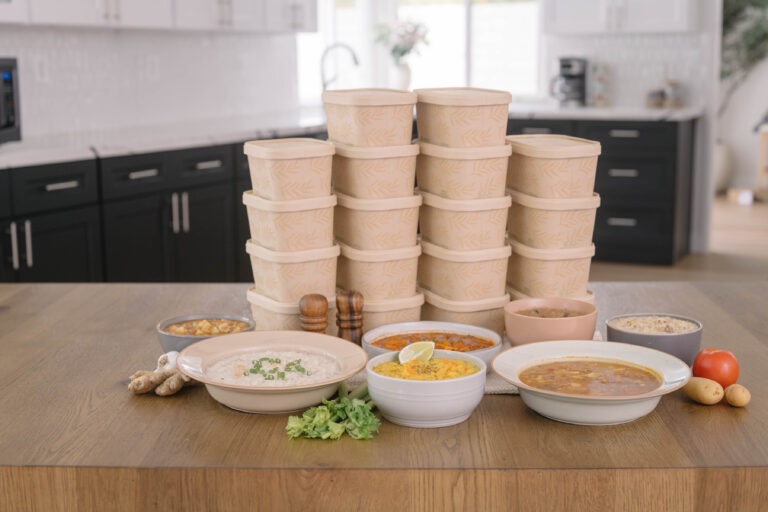
This is one reason I became interested in Restorative Roots. Although their meals were created with postpartum nourishment in mind, they can also be a convenient option during pregnancy, providing an easy and healthy pregnancy and postpartum nutrition. I especially love the idea of having thoughtfully prepared meals in the freezer for those days when cooking feels like one more thing you simply don’t have the energy to do.
Having nourishing food ready to heat and eat can take some of the pressure off—and sometimes making nourishment easier is exactly what we need.
Preparing Your Postpartum Freezer
As pregnancy progresses, I encourage expecting mothers to think ahead to the weeks after birth. We spend so much time preparing the nursery, buying baby supplies, and getting ready for labor—but preparing to nourish the mother deserves attention, too.
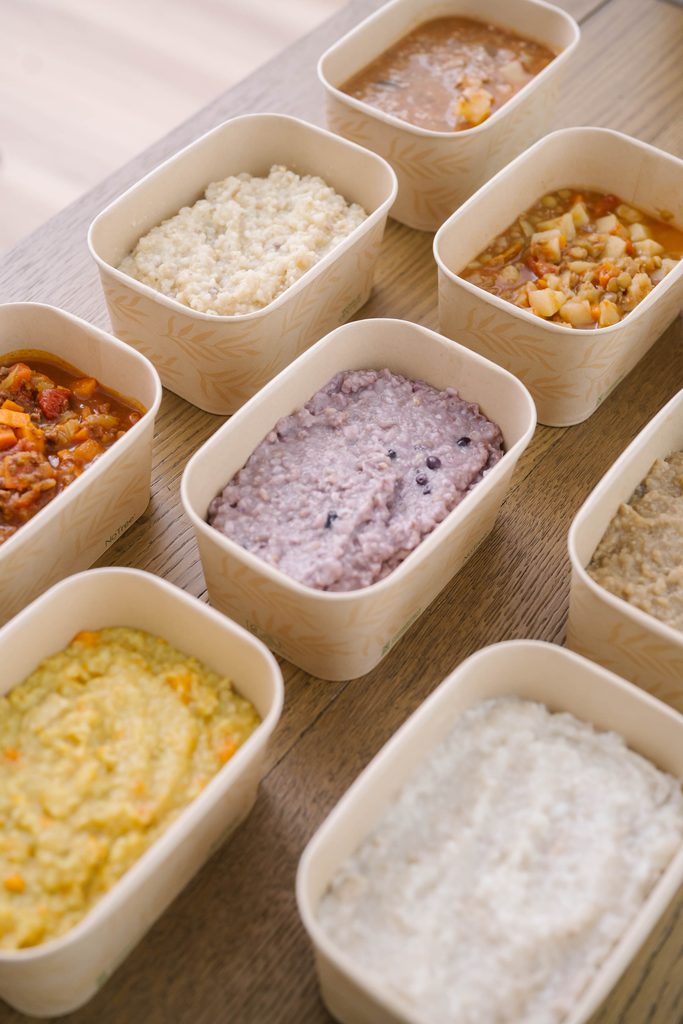
If you have the time and energy, consider making and freezing some of your favorite nourishing meals before your due date. Double a pot of soup or stew, prepare a batch of congee or another favorite cooked meal, portion it into containers, and slowly build a freezer supply.
You can also ask family and friends to help. When someone asks, “What can I do for you?” bringing a nourishing meal for your freezer can be a wonderful answer.
But preparing a freezer full of meals before giving birth isn’t realistic for everyone—and that’s completely understandable.
Why I Chose to Partner With Restorative Roots
That’s why I was so happy to discover Restorative Roots. Their approach to pregnancy and postpartum nutrition and nourishment complements many of the traditional food principles I share with my patients: warm, soft, nutrient-dense meals that are prepared ahead of time and easy to have available when you need them.
Their meals arrive frozen, so they can be kept in your freezer and heated when you’re ready to eat. For expecting and new mothers who don’t have the time, energy, or support to prepare a large number of meals themselves, this can be a convenient way to make nourishing yourself a little easier.
As an acupuncturist—and as a mom—I particularly appreciate the philosophy behind making care for the mother a priority. So much attention naturally shifts to the baby after birth. I believe the mother’s nourishment, rest, and recovery deserve attention as well.
Nourishing Yourself After Birth
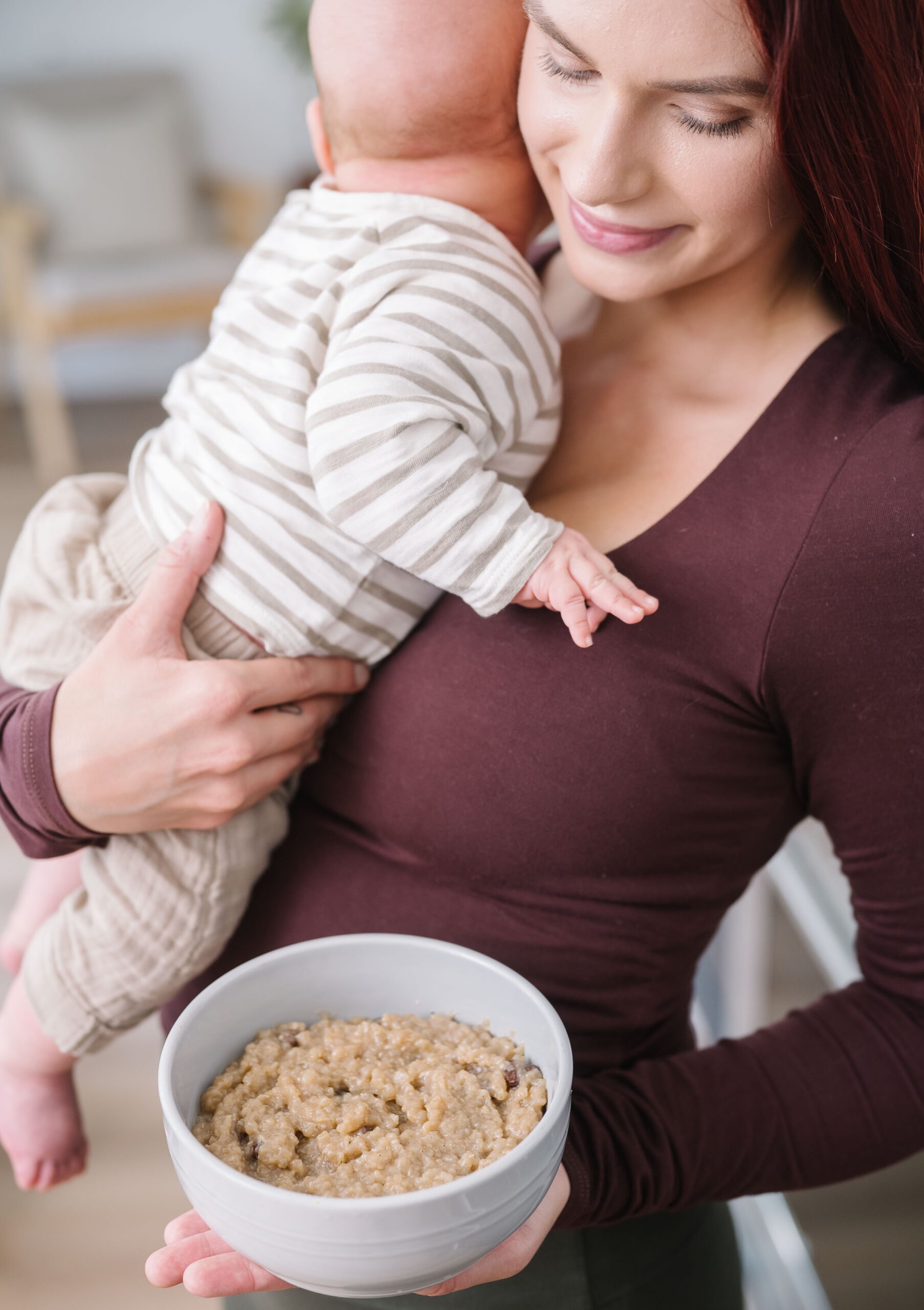
In Traditional Chinese Medicine, the postpartum period is considered an important time for rest, rebuilding, and replenishment. After pregnancy and birth, your body has done an extraordinary amount of work.
This is why warm, cooked, nutrient-dense foods such as soups, stews, broths, porridges, cooked vegetables, and other comforting meals have traditionally played an important role in pregnancy and postpartum nutrition.
Whether you prepare your own freezer meals, receive meals from friends and family, use a postpartum meal service, or combine all three, the important thing is to make a plan for your nourishment, not only your baby’s needs.
Prepare Ahead—or Let Someone Else Do the Cooking
If you have the time and energy, I always encourage expecting mothers to prepare and freeze some of their own meals before baby arrives. Double a favorite soup or stew, make a big batch of congee, or ask family and friends to help fill your freezer.
But if preparing weeks’ worth of meals before birth sounds overwhelming, there is absolutely nothing wrong with getting some help.
Having nourishing meals ready in the freezer can be especially helpful during the early postpartum weeks, when your attention is focused on healing, feeding your baby, resting, and adjusting to an entirely new rhythm of life.
Pregnancy and Postpartum Nutrition Through Every Stage
Pregnancy and postpartum are different experiences for every woman. What feels nourishing during the first trimester may be completely different from what your body wants later in pregnancy or after birth.
Whether you’re navigating pregnancy nausea and food aversions, the exhaustion of late pregnancy, or the early weeks of postpartum recovery, having simple, nourishing food within easy reach can be one small but meaningful way to care for yourself.
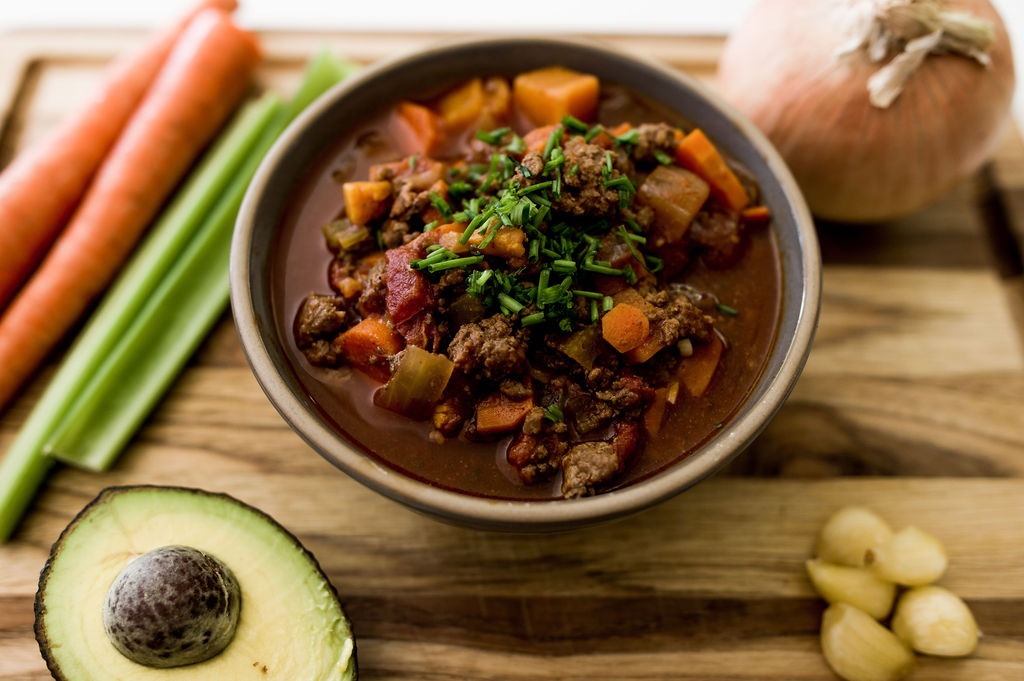
You are nourishing more than a baby. You’re nourishing yourself, too.
